The Allure of Risk in Gambling
The psychology behind risk-taking in casinos is a captivating subject that delves deep into human behavior. At its essence, gambling offers a paradox of potential rewards juxtaposed with the ever-present threat of loss. This dynamic creates an exhilarating experience that many find hard to resist. While individuals frequently enter casinos with the intention of having fun, the prospect of winning big significantly influences their willingness to take risks, especially when they consider options like fast withdrawal casino ontario that promise quick payouts. This phenomenon can be understood through a combination of personal traits, emotional reactions, and the stimulating environment that casinos provide.
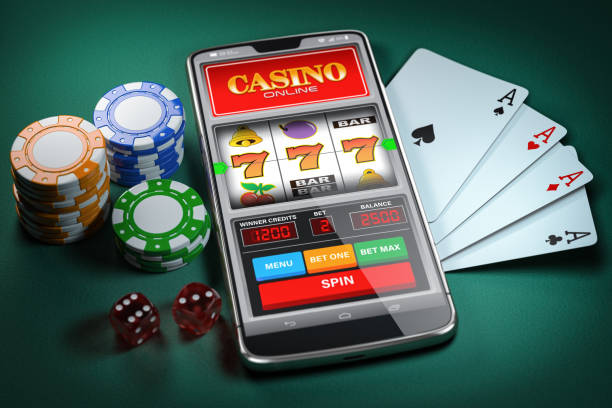
The rush of risking money, whether on a slot machine or at a card table, can ignite an adrenaline surge comparable to that experienced in other high-stakes activities. This sensation, often referred to as a “gambling high,” strengthens the urge to pursue further risks, creating a challenging cycle to escape. For instance, those who are naturally more impulsive or thrill-seeking may find themselves gravitating toward gambling, especially in environments specifically designed to heighten emotional responses, such as dazzling lights and immersive sounds.
Moreover, the social dynamics at play in gambling environments significantly enhance risk-taking behavior. The communal atmosphere of casinos often fosters excitement and competition, motivating players to place larger bets as they draw energy from those around them. This collective encouragement can lead individuals to engage in riskier behavior that they might avoid when gambling alone. Thus, external influences dramatically shape personal risk thresholds, evidencing the profound impact of social context on individual decision-making in gambling scenarios.
Cognitive Biases and Decision-Making
Examining the cognitive biases that influence decision-making in casinos reveals why individuals engage in risky behavior. A prominent example is the “gambler’s fallacy,” which is the erroneous belief that future probabilities are influenced by past events in a random game. For instance, a player might assume that after a series of losses, a win is imminent, leading them to gamble aggressively. This flawed reasoning can compel individuals to increase their stakes, often leading to substantial financial losses as they chase illusory trends.
Additionally, the concept of “loss aversion” is crucial in understanding gambling behavior. Research indicates that the emotional turmoil associated with losing is often more intense than the joy derived from winning. Consequently, gamblers may take greater risks to recover previous losses, creating a cycle of escalating bets fueled by emotional states rather than logical analysis. For instance, someone who loses a significant amount might double their next wager, hoping to recoup losses, only to find themselves facing an even more significant financial setback.
Another cognitive bias influencing gambling behavior is “overconfidence,” where individuals overestimate their knowledge or skills compared to others. This can lead to misguided self-assurance in one’s ability to make winning bets, further driving players to gamble recklessly. The interplay of these biases fosters an environment ripe for irrational decisions, often leading individuals to act against their best interests. This highlights the intricate relationship between cognitive psychology and gambling behaviors, illustrating how these factors contribute to the prevalence of risk-taking in casinos.
The Role of Emotion in Gambling
Emotions play a critical role in the gambling experience and significantly influence risk-taking behavior. The anticipation of winning can elevate mood and create euphoric feelings, prompting individuals to wager larger amounts than initially intended. This emotional high, driven by the release of dopamine—a neurotransmitter associated with pleasure—can become addictive. The desire to replicate this high can lead players to take risks that exceed their financial and personal boundaries, often with detrimental consequences.
The highs associated with excitement are frequently countered by lows of disappointment, complicating the emotional landscape of gambling. While some players thrive on the thrill of risk, others may experience stress or anxiety related to their gambling activities. This emotional rollercoaster can lead to an “all-or-nothing” mentality, where individuals gamble substantial sums in an effort to recapture the excitement or alleviate feelings of disappointment after a loss. The decision-making process in these moments is heavily influenced by emotions, emphasizing the complexities inherent in the psychology of risk-taking.
Moreover, the influence of social and environmental factors can amplify emotional responses. For instance, celebrating wins with friends or being caught up in the vibrant atmosphere of a casino can heighten adrenaline and encourage further risk-taking. Conversely, losing in a crowded environment may lead to heightened feelings of embarrassment or frustration, prompting reckless decisions as players try to recover losses. In both scenarios, the interplay of emotion and risk is evident, underscoring the deep psychological foundations of gambling behavior that drive individuals to take significant risks in the pursuit of reward.
Addiction and the Consequences of Risk-Taking
The confluence of risk-taking and gambling can result in severe consequences, particularly in the realm of addiction. Gambling addiction, often referred to as compulsive or pathological gambling, is recognized as a serious mental health disorder. Individuals suffering from this condition often struggle to control their urge to gamble, even when faced with devastating consequences such as financial ruin and damaged relationships. This compulsive behavior typically stems from the same psychological mechanisms that initially draw players into high-risk gambling situations.
As individuals become ensnared in the cycle of risk and reward, they may neglect personal responsibilities and relationships, prioritizing gambling above all else. This addiction can lead to overwhelming debt, legal troubles, and mental health challenges such as depression and anxiety. The repercussions of gambling addiction extend beyond the individual, affecting families and communities as financial strain and emotional turmoil seep into personal relationships. Understanding the psychological factors that drive gambling addiction is essential for developing effective interventions and support systems for those impacted.
Treatment approaches for gambling addiction often incorporate cognitive-behavioral therapy, support groups, and occasionally medication to manage concurrent mental health issues. By addressing cognitive biases, emotional triggers, and environmental influences that contribute to risk-taking, individuals can begin to regain control of their lives outside the casino. Raising awareness of the psychological aspects of gambling and promoting education on responsible gaming practices is vital for preventing addiction and fostering healthier relationships with risk and reward.
Exploring Responsible Gambling Practices
Gaining insight into the psychology of risk-taking in casinos is crucial for encouraging responsible gambling practices. Individuals can significantly benefit from recognizing how cognitive biases, emotional states, and environmental factors influence their gambling behavior. By understanding these elements, players can make more informed decisions, establish limits, and cultivate a healthier relationship with risk. Education regarding the psychology behind gambling can empower individuals to identify their tendencies toward risk-taking and potentially avoid severe repercussions.
Furthermore, casinos themselves have a critical role in fostering responsible gambling. Many establishments have implemented measures such as self-exclusion programs, allowing players to voluntarily ban themselves from gambling activities, and prominently displaying information regarding responsible gaming practices throughout the venue. By creating an environment that encourages accountability, casinos can help mitigate the risks associated with gambling. This responsibility extends not only to the gaming industry but also to individuals who must recognize and respect their limits when engaging in gambling activities.
As discussions surrounding the psychology of risk-taking continue to evolve, innovative approaches to address gambling behavior are increasingly being implemented. Online platforms are progressively incorporating features that highlight the psychological aspects of gambling, providing users with insights into their gaming habits. Ultimately, fostering a culture of responsible gambling necessitates a comprehensive understanding of the psychological factors at play, equipping both individuals and the industry to navigate the complexities of risk-taking more wisely.


MORADA:
352 Lugar do Paço,
4940-233 Paredes de Coura
Portugal
GPS:
41°53'20.8"N 8°35'57.9"W
RESERVAS:
Telefone: (+351) 914 936 385
Email:
casadamiquelina@gmail.com
Licença
114429/AL